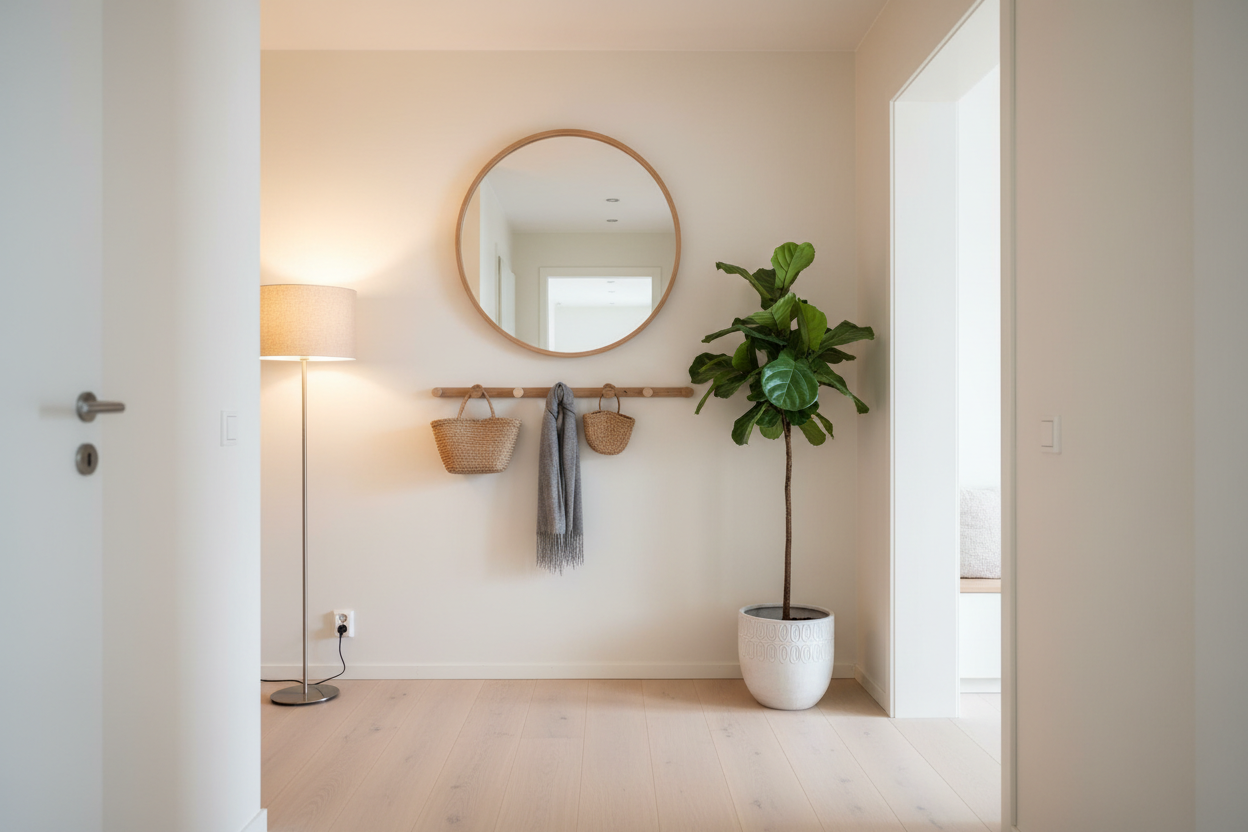
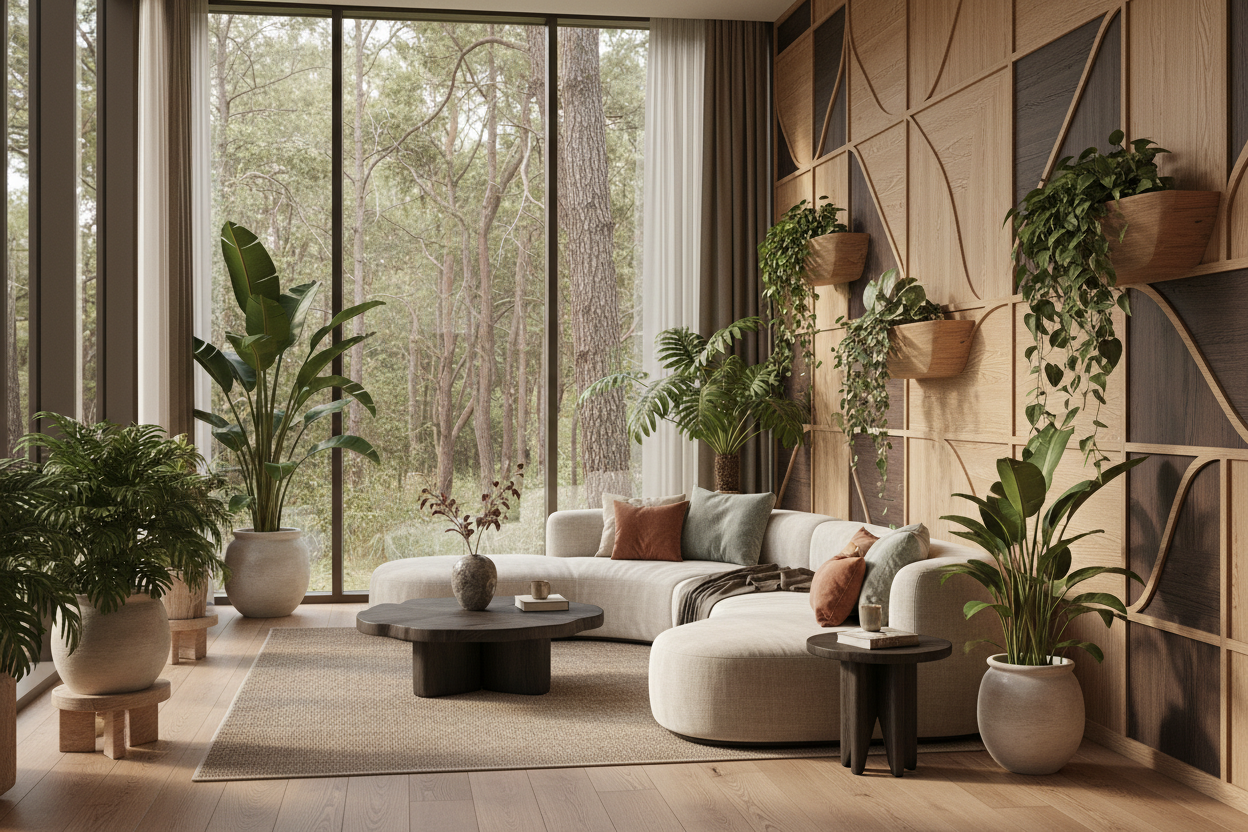
Table of Contents Why Scandinavian Hallway Design Works So Well The 5 Core Principles of Scandinavian Hallway Design 10 Expert Tips for a Scandinavian-Inspired Hallway Key Facts at a Glance Frequently Asked Questions Related Articles Why Scandinavian Hallway Design Works So Well The hallway is the first and last space you experience in your home — yet it's often the most neglected room in the house. Scandinavian interior design solves this with a philosophy rooted in function, natural materials, and calm simplicity. According to a 2024 survey by Houzz UK, hallways ranked as the #1 room homeowners most wanted to redesign, yet only 23% had done so in the past five years. The opportunity to transform this overlooked space is enormous. Nordic countries consistently rank among the world's happiest nations, and researchers at the University of Exeter found that natural materials in the home — particularly wood — reduce cortisol levels by up to 13%. Your hallway sets the emotional tone for your entire home the moment you walk through the door. Getting it right matters more than most people realise. The good news? A Scandinavian hallway doesn't require a full renovation. The principles are simple, the materials are timeless, and even small changes — a quality oak coat rack, a large mirror, a single well-chosen plant — can transform the feel of the space entirely. The 5 Core Principles of Scandinavian Hallway Design Before diving into practical tips, it helps to understand the philosophy. Scandinavian design is guided by five principles that translate beautifully into hallway spaces: Functionality first — every item must earn its place. If it doesn't serve a purpose, it doesn't belong. Natural materials — oak, walnut, ash, linen, stone, and wool. Synthetic materials are avoided wherever possible. Neutral palette — warm whites, soft greys, and earthy tones form the base. Colour is used sparingly and intentionally. Craftsmanship — quality over quantity, always. One beautifully made piece outperforms ten mediocre ones. Light maximisation — mirrors, pale walls, and uncluttered surfaces work together to make even small hallways feel open and airy. 10 Expert Tips for a Scandinavian-Inspired Hallway 1. Start with a Statement Wall Hook In Scandinavian homes, the wall hook is not an afterthought — it's a design statement. Traditional Nordic homes used steam-bent wood hooks crafted from local birch and ash. Today, the same technique is used by British artisans to create hooks that are both structurally superior and visually striking. A single row of solid oak or walnut wall hooks at 150–160cm height creates an immediate focal point while keeping coats, bags, and scarves organised and accessible. Fact: Steam-bent wood hooks are up to 40% stronger than cut-wood equivalents at the same weight, because the wood fibres remain continuous rather than being severed during shaping. 2. Choose a Wall-Mounted Coat Rack Over a Freestanding Unit Floor space is precious in UK hallways, where the average width is just 90–120cm. Wall-mounted coat racks keep the floor completely clear, making the space feel significantly larger and easier to navigate. Opt for a rack with 5–7 hooks to accommodate a family without overcrowding. Hardwood racks in oak or walnut age beautifully, developing a rich patina over time that freestanding MDF units simply cannot replicate. Look for racks with a combination of double and single hooks to handle both bulky coats and lighter bags. 3. Use a Warm, Neutral Base Palette Scandinavian hallways rarely use stark white alone. The preferred palette combines warm off-whites (such as Farrow & Ball's 'Pointing' or 'Wimborne White') with natural wood tones and a single deeper accent — charcoal, forest green, or navy. This creates warmth without visual noise. For maximum impact, paint the walls, ceiling, and skirting the same colour to make the space feel taller and more cohesive. This technique, known as 'colour drenching', is widely used by Scandinavian interior designers. 4. Add a Bench with Hidden Storage The Danish concept of hygge — cosiness and comfort — extends to practical spaces. A low bench in natural oak or upholstered linen gives you somewhere to sit while putting on shoes, and a lift-up lid reveals hidden storage for gloves, scarves, and dog leads. Keep the bench profile slim (no deeper than 40cm) to preserve walkway space. Pair it with a small woven basket underneath for shoes, and a single cushion in a natural linen fabric for comfort. 5. Introduce a Large Mirror Mirrors are a cornerstone of Nordic hallway design for two reasons: they bounce light into what is often a windowless space, and they serve a practical function before leaving the house. A full-length or oversized round mirror in a simple wooden or black metal frame adds depth and light without visual clutter. Studies show that mirrors can make a room feel up to 30% larger. Position your mirror opposite any natural light source — even a borrowed light from an adjacent room — to maximise the effect. 6. Keep Flooring Natural and Durable Scandinavian hallways traditionally use light hardwood flooring — pale oak, ash, or pine — finished with a matte hardwax oil such as Osmo or Rubio Monocoat. These finishes penetrate the wood rather than sitting on top, meaning they don't peel or crack, and they're easy to spot-repair without refinishing the entire floor. If you have existing tiles or carpet, a natural wood runner rug in jute or wool achieves a similar Scandinavian aesthetic at a fraction of the cost. 7. Embrace Negative Space One of the most counterintuitive aspects of Scandinavian design is what you don't include. Resist the urge to fill every wall and surface. A single piece of art, one plant, and a well-chosen hook rail is more impactful than a cluttered gallery wall. The Swedish concept of lagom — 'just the right amount' — is your guiding principle. When in doubt, remove one more item. The space will breathe better for it. 8. Use Plants Strategically Biophilic design — incorporating natural elements into interiors — has been shown to reduce stress and improve mood by up to 15% (Journal of Physiological Anthropology, 2015). In a hallway, a single tall plant such as a snake plant, olive tree, or fiddle-leaf fig in a simple ceramic or terracotta pot adds life without clutter. Snake plants are particularly well-suited to hallways as they tolerate low light, require minimal watering, and are known to improve air quality. 9. Layer Your Lighting Most UK hallways rely on a single overhead light — a Scandinavian designer's nightmare. Layer your lighting with: a pendant or flush ceiling light for general illumination, a wall sconce for warmth and atmosphere, and if space allows, a small table lamp on a console or shelf. Warm bulbs (2700–3000K colour temperature) are essential — cool white light destroys the hygge atmosphere instantly and makes natural wood tones look flat and lifeless. 10. Invest in One Hero Piece Rather than filling your hallway with many mid-range items, Scandinavian design philosophy advocates for one exceptional piece that anchors the entire space. This could be a handcrafted steam-bent coat rack, a sculptural oversized mirror, or a bespoke console table in solid walnut. Quality craftsmanship in natural materials will outlast trends and improve with age — the complete opposite of fast furniture. Buy once, buy well. Scandinavian Hallway Design: Key Facts at a Glance The average UK hallway is 90–120cm wide and 2.4m high Natural wood in the home reduces cortisol (stress hormone) by up to 13% (University of Exeter) Steam-bent wood hooks are up to 40% stronger than cut-wood equivalents at the same weight Mirrors can make a room feel up to 30% larger Hallways are the #1 room UK homeowners most want to redesign (Houzz UK, 2024) Plants in the home reduce stress and improve mood by up to 15% (Journal of Physiological Anthropology, 2015) Osmo and Rubio Monocoat hardwax oil finishes last 5–10 years with minimal maintenance Colour drenching (painting walls, ceiling, and skirting the same tone) makes hallways feel up to 20% taller Frequently Asked Questions What colours are used in Scandinavian hallway design? Scandinavian hallways typically use warm whites, soft greys, and earthy neutrals as a base, with natural wood tones providing warmth. Accent colours — if used — tend to be muted: forest green, dusty blue, or charcoal. Avoid bright or saturated colours, which conflict with the calm, restrained Nordic aesthetic. What wood is best for Scandinavian hallway furniture? Oak is the most popular choice for its durability, grain character, and warm honey tones that deepen beautifully with age. Walnut offers a darker, more dramatic look suited to moody or contemporary interiors. Ash is lighter and slightly more affordable while still offering excellent strength and a clean, pale grain. How do I make a small hallway feel Scandinavian? Focus on wall-mounted storage (hooks and racks rather than freestanding units), a large mirror to add depth, pale walls to maximise light, and a single statement plant. Remove anything that doesn't serve a clear function. In Scandinavian design, less is always more — especially in compact spaces. Are wooden wall hooks strong enough for heavy coats? Yes — particularly steam-bent hardwood hooks, which maintain the continuous grain of the wood for maximum strength. A quality oak or walnut hook can comfortably hold 5–10kg when correctly wall-mounted into a stud or with appropriate wall anchors. Always follow the manufacturer's installation guidelines. What is the difference between Scandinavian and Japandi hallway design? Both share a love of natural materials, neutral palettes, and minimalism. Japandi (Japanese-Scandinavian fusion) tends to be slightly darker and more asymmetric, with wabi-sabi imperfection celebrated. Scandinavian design is typically lighter and more symmetrical, with a greater emphasis on cosiness (hygge) and warmth. Related Articles Lagom: The Swedish Art of Balance in Interior Design Scandinavian Interior Design: Bringing Nordic Style Home Norwegian Interior Design Traditions: Rosemaling, Stabbur, and Modern Nordic Minimalism The Calming Power of Wood: How Wooden Home Furnishings Enhance Wellbeing Organising Your Space with the Sunrise Oak and Walnut Coat Rack
Leave a comment
This site is protected by hCaptcha and the hCaptcha Privacy Policy and Terms of Service apply.